
bedroom vanity mirror with lights
Understanding the Importance of 72% Butterfly Valves in Modern Industries Butterfly valves play a crucial role in a variety of industrial applications, serving as essential components for regulating flow in pipelines. Among the different designs available, the 72% butterfly valve has gained prominence due to its unique characteristics and operational advantages. This article aims to explore the significance of the 72% butterfly valve, analyzing its features, benefits, and applications in modern industries. What is a Butterfly Valve? A butterfly valve is a type of quarter-turn valve that utilizes a disc to control the flow of fluid. When the valve is fully opened, the disc is aligned with the flow, allowing maximum flow. Conversely, when the valve is closed, the disc is perpendicular to the flow, effectively blocking it. The 72% butterfly valve refers to a specific design configuration that features a disc opening that covers approximately 72% of the valve body diameter when fully opened, which is often an ideal balance between flow control and pressure drop. Key Features of 72% Butterfly Valves 1. Flow Characteristic The 72% opening design allows for a more gradual change in flow rates, which can lead to improved control over fluid dynamics. This feature is particularly beneficial for applications where precise flow regulation is required. 2. Minimal Pressure Drop The streamlined design of the 72% butterfly valve results in minimal resistance to flow, helping to reduce energy consumption and operational costs in systems where maintaining pressure is critical. 3. Lightweight Construction Unlike traditional gate or globe valves, butterfly valves are lightweight and require less space, making them suitable for installations in confined areas or where weight considerations are paramount. 4. Durability and Longevity Most modern butterfly valves are constructed from materials such as stainless steel, ductile iron, and high-performance plastics, which offer resistance to corrosion and wear. The robustness ensures a long service life, reducing maintenance costs. Benefits of Using 72% Butterfly Valves The implementation of 72% butterfly valves brings multiple benefits to industrial processes 1. Enhanced Flow Control By providing better flow regulation, these valves can help manage the operation of various systems more effectively, leading to improved efficiency and reduced waste. 72 butterfly valve 2. Cost-Effectiveness With reduced pressure drops and energy consumption, businesses can experience significant cost savings in terms of both operational efficiency and equipment longevity. 3. Versatility in Applications The adaptability of 72% butterfly valves makes them suitable for a wide range of industries, including water treatment, food and beverage processing, chemical manufacturing, and HVAC systems. 4. Quick Operations The quarter-turn operation of butterfly valves allows for rapid adjustments, ensuring swift responses in dynamic industrial environments where time is of the essence. Applications in Modern Industries Given their robust design and operational advantages, 72% butterfly valves are widely used across various sectors - Water and Wastewater Treatment These valves are essential for regulating water flow and controlling treatment processes, ensuring compliance with environmental regulations. - Oil and Gas Industries In the transportation of hydrocarbons, butterfly valves facilitate efficient flow control while minimizing the risk of leaks and pressure loss. - Food and Beverage With their ease of cleaning and resistance to contamination, 72% butterfly valves are ideal for maintaining sanitary conditions in food processing applications. - HVAC Systems These valves help regulate air and fluid flow within heating, ventilation, and air conditioning systems, enhancing efficiency and user comfort. Conclusion In conclusion, the 72% butterfly valve represents a significant advancement in valve technology, catering to the demands of modern industries for efficient flow control and reliability. Its combination of lightweight design, durability, and precise flow management makes it an indispensable component in a wide range of applications. As industries continue to evolve, the importance of valves such as the 72% butterfly valve will only grow, facilitating improved operational efficiency and sustainability.
about
bedroom vanity mirror with lights
The Importance of Open Water Valves in Modern Infrastructure Water is one of the most essential resources for human survival, playing a crucial role in agricultural, domestic, and industrial applications. As cities grow and technology advances, the management and distribution of water have become increasingly complex. Among the critical components of water management systems are open water valves, which serve as the lifelines to ensure that water flows where it is needed, when it is needed. Open water valves are mechanical devices that regulate the flow of water in pipes and other water distribution systems. These valves can be either manually operated or automated and are found in various settings, including municipal water supply networks, irrigation systems, and industrial processes. Their primary purpose is to control water flow, allowing for the distribution of this vital resource to various areas. One of the primary advantages of open water valves is their ability to facilitate efficient water management. In urban environments, municipalities face the challenge of providing clean and reliable water to thousands, if not millions, of residents. Open valves enable efficient distribution, preventing wastage and ensuring that every household receives its fair share of water. Moreover, they allow for quick adjustments in response to fluctuating demand, whether it be due to seasonal changes, population growth, or infrastructure developments. In agricultural settings, open water valves are instrumental in optimizing irrigation practices. Farmers often rely on controlled water delivery to their crops, as excess or insufficient water can drastically affect yield . By utilizing open valves, farmers can regulate the flow of water to different sections of their land, ensuring that every plant receives adequate hydration without overwatering. This not only conserves water but also promotes healthier crops and sustainable farming practices. open water valve Automation has revolutionized the functionality of open water valves in recent years. Smart water management systems use sensors and real-time data analytics to monitor water flow, pressure, and quality. Automated valves can respond to changes in demand inadvertently, adjusting flow rates and conserving resources. These technological advancements have led to improved efficiency and reduced operational costs for water utilities while minimizing the risk of leaks and water loss. However, the open water valve system is not without its challenges. Regular maintenance is crucial to ensure that these valves function correctly. A neglected valve can lead to leaks, reduced water pressure, and even contamination of the water supply. Municipalities and utilities must invest in routine inspections and repairs to maintain the integrity of their water distribution systems. Additionally, natural disasters such as floods or earthquakes can severely impact the functionality of open water valves, leading to catastrophic water loss or destruction of essential infrastructure. Public awareness and education are also vital components in supporting the management of open water valves. Communities can play a proactive role by reporting leaks, understanding water conservation practices, and participating in local water management initiatives. By encouraging residents to engage with their water supply systems actively, municipalities can foster a culture of responsibility and sustainability. In conclusion, open water valves are essential elements in the effective management of water resources. They provide a mechanism for controlling flow, ensuring equitable water distribution in urban and agricultural settings, while technological advancements promise enhanced efficiency through automation. However, ongoing maintenance, community engagement, and education are vital to addressing the challenges associated with these critical components of our water infrastructure. As we continue to navigate a future where water scarcity becomes an increasing concern, the role of open water valves will undoubtedly be integral to our strategies for sustainable water management.
-

High quality industrial productsagement

High quality industrial products
View Details -

Meet the diverse needs of customers

Meet the diverse needs of customers
View Details -

Strict quality control

Strict quality control
View Details -

Top raw materials

Top raw materials
View Details -

Trusted supplier

Trusted supplier
View Details
Our application


news and information
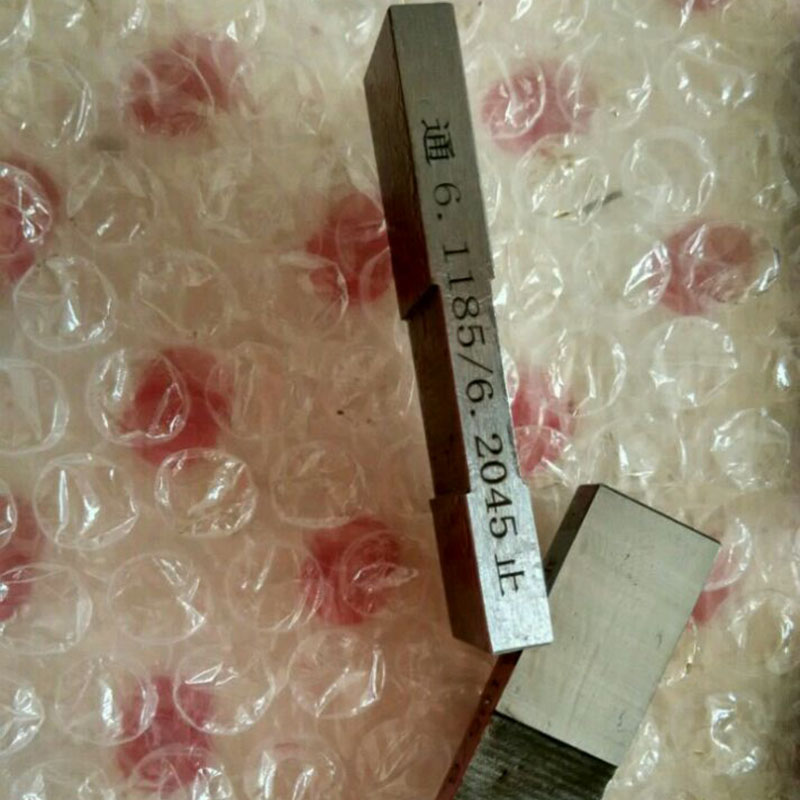
use of thread gauge
The Use of Thread Gauges Ensuring Precision in Manufacturing In the world of manufacturing and engin

Welding Workbench for 4x8 Projects A Sturdy and Versatile Solution for Fabrication Work
Welding is a crucial process in the manufacturing industry, and having the right equipment is essent
Vannventil for kontroll av vannstrøm og trykkregulering
Vannventilens Rolle i Vannfordeling Vann er en av de mest essensielle ressursene på jorden, og forva
 English